
Pop music doesn’t linger in one place for long, and Harry Styles is a clear example of that constant movement. His fourth solo album, “Kiss All the Time. Disco, Occasionally.”, arrives after a noticeable break, following the huge impact of “Harry’s House.” That earlier release went on to win Album of the Year at the Grammy Awards, raising the bar significantly for what would follow.
This time, the direction shifts. Rather than leaning into easy, radio-ready hooks, the record gravitates toward dance-floor energy, post-punk influences, and more textured production. It’s less about instant hits and more about atmosphere and rhythm.
Even so, the core warmth that defines Harry Styles’ music is still present, especially in themes centered around connection, love, and shared experience.
A New Direction After “Harry’s House”
“Harry’s House” marked a defining chapter in contemporary pop. With major singles and widespread acclaim—particularly “As It Was”—the album solidified Harry Styles’ influence across the decade.
“Kiss All the Time. Disco, Occasionally.,” however, takes a different route. Drawing from dance-punk and electronic indie acts like LCD Soundsystem and Hot Chip, the album favors modular synths, layered sounds, and groove-driven arrangements over classic pop formulas.
The lead single, “Aperture,” makes that shift clear from the outset. Its restrained tone signals a departure from previous high-energy releases. The opening lyric reads:
“Aperture lets the light in… We belong together. It finally appears it’s only love.”
It sets up an album that feels designed to be absorbed rather than chased for hits.
Mood Over Hit Singles
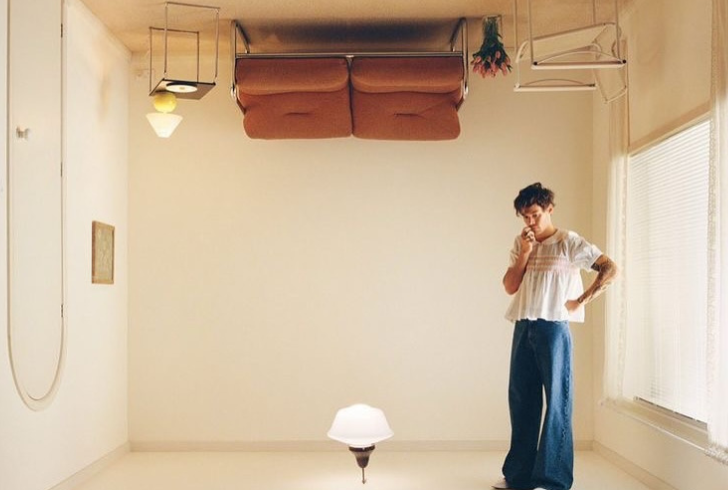
Instagram | harry.stylesedit | “Harry’s House” elevated Harry Styles into a defining pop voice of the decade.
Listeners expecting another “As It Was”-style anthem may be surprised. The album leans heavily into mood, allowing space for instrumentation to take the lead. At times, Harry Styles’ voice blends into the soundscape instead of sitting front and center.
That decision stands apart from typical pop trends, where vocals dominate. Instead, the album mirrors the immersive quality of dance records, where rhythm and texture shape the experience.
On “Paint By Numbers,” a key lyric stands out:
“Oh, what a gift it is to be noticed, but it’s nothing to do with me.”
It hints at a broader idea running through the album—shifting focus away from the individual and toward something more collective.
Dance and Post-Punk Influences
The album draws from a wide range of alternative sounds. Post-punk rhythms, electronic layers, and synth-driven arrangements run throughout. These influences echo artists known for shaping indie club music.
There are moments that loosely recall albums like “Renaissance” by Beyoncé, though the approach is distinct. Where Beyoncé’s project highlights vocal performance, Harry Styles’ record often lets the instrumentation take center stage.
The production feels built for volume. Played loud, the detail and layering become far more apparent.
Standout Tracks and Memorable Moments
The second half of the album brings more energy. While still experimental, some tracks edge closer to familiar territory.
“Dance No More” stands out, building into a chant-like chorus:
“DJs don’t dance no more, they said.”
It mixes rhythm with a playful line—“Respect your mother”—that feels made for a crowd.
“American Girls” offers another highlight, blending indie textures with dance-pop elements:
“I’ve known you for ages… My friends are in love with American girls.”
Here, the vocal works almost like another instrument, folding into the overall sound.
Themes of Intimacy and Distance
Despite its dance-oriented production, the album revisits familiar themes—relationships, identity, and closeness.
Still, the emotional tone feels more distant than before. Frequent use of second-person language (“you”) suggests a perspective focused outward rather than inward.
That contrasts with more confessional pop albums, such as Justin Bieber’s “Swag,” which leaned heavily into personal storytelling.
By comparison, “Kiss All the Time. Disco, Occasionally.” places emotion within shared spaces—crowds, nightlife, and collective moments.
Before the album’s release, discussions often referenced Harry Styles spending time in Berlin’s nightlife scene, including visits to the famous club Berghain. That detail created expectations for a high-energy club record.
The final result feels more restrained than anticipated. Instead of a full dance-club project, the album blends dance rhythms with indie rock and art-pop elements. The sound hints at nightlife influence without fully committing to it.
This restraint appears to be intentional. The record seems interested in atmosphere rather than explosive club energy.
Live Performances and the Touring Strategy
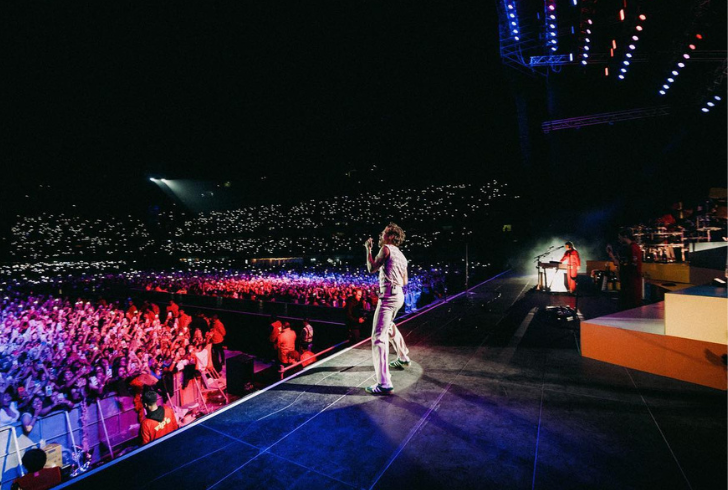
Instagram | harrystyles | Harry Styles’ concerts are high-energy, fashion-forward celebrations built on deep fan connection.
Live performance has always played a major role in the Harry Styles experience. His concerts often focus on audience participation, elaborate outfits, and communal celebration.
The new era continues that idea through an unusual touring strategy. Instead of a traditional world tour, the singer plans extended residency-style shows. One example includes performances connected to locations such as Madison Square Garden.
A special live event titled “One Night in Manchester” also appeared on Netflix, showcasing how the songs function in a concert environment. The live setting often increases the energy level of the tracks, highlighting their rhythmic structure.
A Different Stage in Harry Styles’ Career
Since leaving One Direction, Harry Styles has steadily expanded his musical identity. Each solo album has pushed further away from the boy-band label and closer to a more experimental pop approach.
“Kiss All the Time. Disco, Occasionally.” represents another step in that evolution. The album does not prioritize hit singles in the traditional sense. Instead, it explores mood, collaboration, and genre influence.
The timing also places the project within a shifting pop landscape. New male pop acts such as Benson Boone and Sombr are entering the scene, while established stars continue to redefine their sound. At the same time, artists like Taylor Swift dominate the charts with different stylistic approaches.
Harry Styles’ choice to experiment suggests confidence in a long-term artistic direction rather than immediate chart performance.
“Kiss All the Time. Disco, Occasionally" presents a distinct turn in pop music. The album moves away from typical radio formulas and blends dance-punk and indie electronic influences with layered studio production.
The record focuses more on atmosphere than chart-driven hooks. Soft vocals, textured instrumentation, and reflective lyrics shape its overall tone.
The project marks another step in Harry Styles’ evolving solo career, showing a continued interest in experimenting with sound while staying within the mainstream pop space.