
“Peaky Blinders” didn’t just entertain audiences—it reshaped how early 20th-century England is imagined. With its sharp visuals, intense characters, and industrial backdrop, the series paints a striking picture of Birmingham in the 1900s.
The release of “Peaky Blinders: The Immortal Man” has renewed interest in that world, raising a key question: how much of it reflects reality, and how much is shaped for drama?
The answer sits somewhere in between. The show captures many truths about industrial England, yet it also adjusts details to fit its cinematic tone. A closer look at the city, housing conditions, gang culture, and fashion reveals a more complete story.
The Industrial Pulse of Birmingham
At the start of the 20th century, Birmingham stood as one of England’s most important industrial hubs. Known as the “city of a thousand trades,” it supported a wide range of industries, from metalwork to engineering. Skilled workers, inventors, and manufacturers filled its factories, creating constant motion and noise.
“Peaky Blinders” reflects this environment with striking accuracy. The thick smoke, crowded streets, and mechanical sounds shown in the series match historical accounts. The city was powered by more than 200 steam engines, which meant noise rarely stopped. The air often carried soot, and pollution shaped daily life.
Series creator Steven Knight drew from personal family history when recreating this setting. In a 2016 interview with The Guardian, he shared a vivid memory passed down from his mother:
“When my mum was growing up, all you could hear, 24 hours a day, was bang-bang, the thump of the steam hammers and the smell and the smoke—the air was green sometimes.”
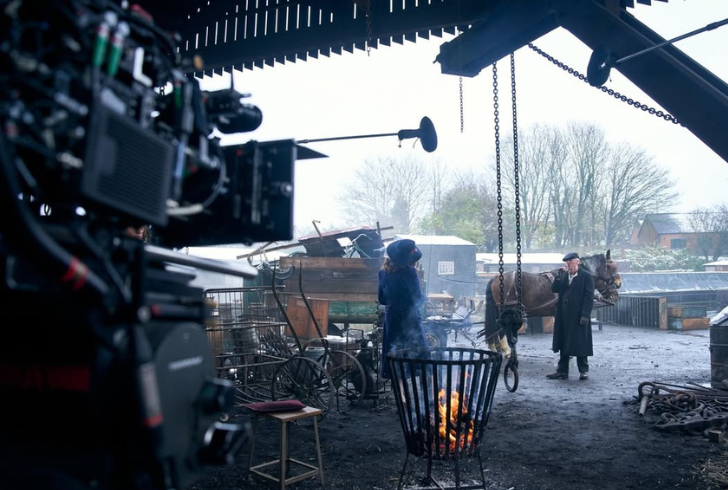
Instagram | spacestudiosmcr | "Peaky Blinders" masterfully recreates the soot-stained, mechanical roar of Birmingham’s industrial era.
To maintain authenticity, many scenes were filmed at the Black Country Living Museum in Dudley. This location features over 50 preserved buildings from the industrial era, including workshops, shops, and even a coal mine. These details help ground the show in a realistic environment, even when the story leans toward fiction.
Life Inside Working-Class Homes
While the city itself was full of opportunity, living conditions told a harsher story. Birmingham’s rapid industrial growth created overcrowding, especially in working-class neighborhoods.
Historical photographs released by the Birmingham Corporation in 2019 provide a clear view of these conditions. Families often lived in tightly packed rows of small houses, built quickly to meet rising demand. Comfort and quality were not priorities.
Inside these homes, daily life was difficult. Floors were commonly made of bare brick or tiles placed directly on the ground. The buildings lacked insulation, and factory vibrations could be felt indoors. As machinery ran, houses would shake and rattle.
Sanitation issues were widespread. Damp conditions, poor ventilation, and limited access to clean water created serious health risks. Disease spread easily, and infant mortality rates remained high.
“Peaky Blinders” presents these environments with noticeable accuracy. The cramped interiors, worn-out spaces, and visible hardship align closely with documented living conditions. The show does not soften these realities, which adds depth to its portrayal of working-class life.
The Rise of Gang Culture
Harsh living conditions and low wages pushed many young men toward crime. By the late 1800s, petty theft and pickpocketing had already become common. As the 1900s began, these activities evolved into organized crime.
Birmingham saw the rise of multiple gangs, each controlling specific areas of the city. These groups were often made up of underpaid and overlooked workers seeking income and status. Violence became a defining feature of this culture.
The Peaky Blinders gang, which inspired the show, did exist. They operated mainly in the Small Heath area. Their activities included theft, assault, and illegal betting. Over time, their reputation spread, and their actions were reported in national newspapers.
Rivalries played a major role in shaping gang dynamics. The Peaky Blinders frequently clashed with the Cheapside Sloggers, leading to decades of conflict. Other groups, such as the Sabini gang and the Birmingham Boys, also competed for control. Eventually, the Birmingham Boys rose to greater prominence, overtaking the Peaky Blinders in influence.
“Peaky Blinders” captures the presence of these gangs and their conflicts, but it amplifies their power and organization. In reality, while these groups were dangerous, they did not operate with the same level of structure or reach as shown in the series. The show blends fact with drama, creating a more intense version of events.
The Truth About Fashion
One of the most recognizable elements of “Peaky Blinders” is its fashion. The tailored suits, long coats, and flat caps have influenced modern style trends, even causing a surge in sales of traditional headwear during the 2010s.
However, this is where the show takes creative liberties.
The real Peaky Blinders were known for their appearance, but their clothing differed from the polished look seen on screen. Historical evidence, including mugshots, suggests they often wore softer caps. Yet historians point out that many gang members preferred “billycock” hats—a type of bowler hat with a rounded crown and a firm brim.
The gang reportedly shaped the brim to a point and tilted it downward, partially covering one eye. This distinctive look is believed to have contributed to their name.
The popular idea that they hid razor blades in their caps is likely a myth. Razor blades were expensive at the time, making them an unlikely weapon for street gangs. Instead, the Peaky Blinders used more accessible tools such as knives, belts, and buckles during fights.
While the show’s fashion choices add visual appeal, they reflect modern styling more than historical accuracy. The clothing seen in “Peaky Blinders” is sharper and more refined than what most gang members could realistically afford.
Tourism and Cultural Impact
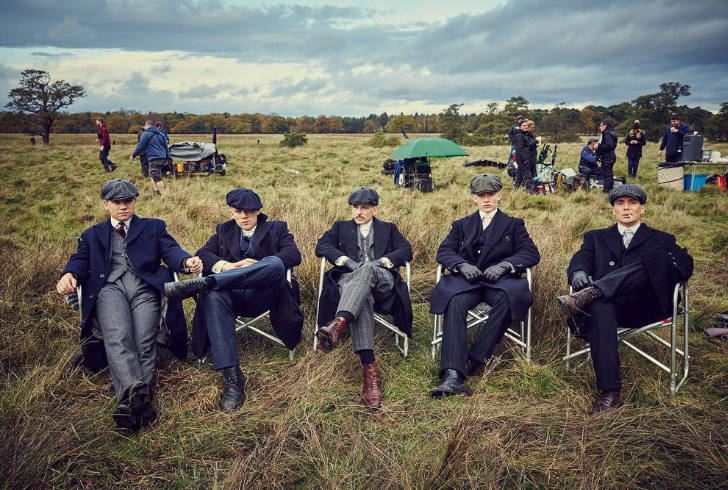
Instagram | peakyblinders | The "Peaky Blinders" effect has sparked a massive tourism boom for Birmingham and the West Midlands.
The influence of “Peaky Blinders” extends beyond television. Its success has drawn attention to Birmingham and the wider West Midlands region. Tourism has increased as viewers seek to explore the locations that inspired the series.
The “Peaky Effect” also reshaped fashion trends. Items like tweed suits, undercut hairstyles, and long overcoats gained popularity. Flat caps, in particular, saw an 83% rise in sales during the mid-2010s.
This cultural impact highlights the show’s ability to connect with audiences. Even with its historical adjustments, it has sparked interest in a period that might otherwise remain overlooked.
What the Show Gets Right and What It Changes
“Peaky Blinders” succeeds in capturing the mood of industrial Birmingham. The smoke-filled streets, noisy factories, and crowded housing reflect real conditions. The presence of gangs and their influence on daily life also aligns with historical records.
At the same time, the series reshapes certain elements for storytelling. Gang operations appear more organized and powerful than they were. Fashion is stylized to fit modern tastes. Some details, like the razor blade myth, lean more toward legend than fact.
This balance between accuracy and creativity allows the show to remain engaging while still grounded in history.
“Peaky Blinders” offers a compelling window into early 20th-century Birmingham, blending real history with dramatic storytelling. Its portrayal of industrial life, working-class struggles, and gang activity reflects many truths about the era. Yet it also reshapes details to create a sharper, more cinematic experience.
Understanding what the show gets right—and where it takes liberties—adds a new layer of appreciation. It reveals not just the story on screen, but the complex reality that inspired it.