
Heatwaves across many parts of India often push daily life indoors for safety and comfort. While this helps avoid harsh temperatures, spending long stretches inside can quietly influence mood, sleep quality, and overall energy.
The change may feel subtle at first, yet it often builds over time, shaping how the mind and body respond to daily routines.
Natural light plays a major role in how the body regulates internal functions. When exposure to sunlight drops, the circadian rhythm—responsible for sleep and wake cycles—can fall out of sync. This shift often leads to irregular sleep patterns and reduced daytime alertness.
Sunlight also supports serotonin production, a key chemical linked with emotional balance. With limited daylight exposure during long indoor hours, mood changes such as low motivation or irritability may appear.
In regions where heatwave alerts lead to restricted outdoor movement, this effect becomes more noticeable, especially for children and young adults adjusting to indoor schedules.
Reduced Movement and Energy Dip

Freepik | Staying indoors can reduce activity and endorphins, leading to persistent fatigue and a lower mood.
Time spent indoors often brings a drop in physical activity. Less movement lowers endorphin release, which plays a role in managing stress and supporting a stable mood. Over time, this can create a sense of tiredness that does not always match actual rest.
A slower routine can also affect mental clarity. Many people report difficulty staying focused or feeling mentally “heavy” after extended indoor periods. When outdoor activity is limited, the body misses the natural energy boost that comes from regular movement and fresh air exposure.
Daily interactions often change when most activities shift indoors. Simple moments like stepping out for errands, casual conversations, or meeting friends tend to reduce. Even without complete isolation, fewer face-to-face exchanges can influence emotional balance.
Indoor routines can also start feeling repetitive. During peak summer conditions, when outdoor exercise is limited, the day may revolve around screens, short breaks, and fixed indoor spaces. This pattern can slowly affect motivation and create a sense of monotony.
Early Signs to Notice
Changes in mood often appear in small ways before becoming more noticeable. Common signals include:
1. Ongoing tiredness despite adequate rest
2. Reduced focus during tasks
3. Irritability over minor issues
4. Difficulty falling asleep or waking up refreshed
5. Low interest in regular activities
These signs often connect with reduced sunlight exposure and limited movement rather than any single cause.
Simple Ways to Maintain Balance
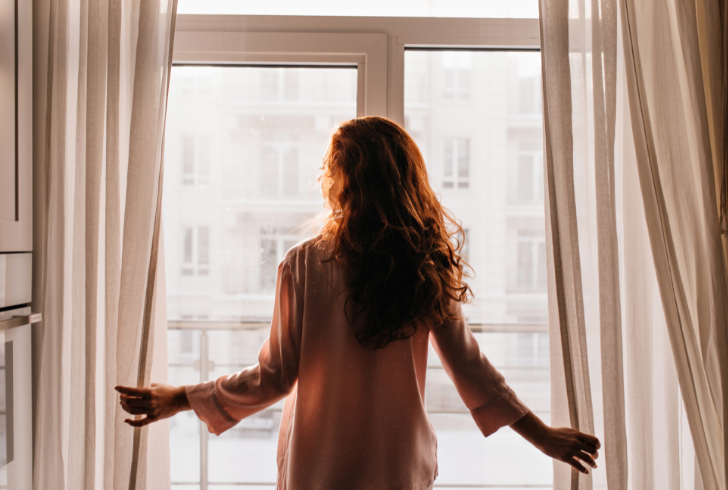
Freepik | Boost your mood and sleep with just a few minutes of indoor sunlight daily.
Supporting mood during extreme heat does not require long hours outdoors. Small adjustments inside daily routine can make a difference. Short exposure to morning or evening sunlight near windows helps regulate internal rhythm. Even a few minutes can support better sleep patterns.
Light indoor movement such as stretching, yoga, or slow exercise keeps energy levels steadier. Social contact also matters, whether through brief conversations, calls, or short meet-ups during cooler hours.
Small changes in routine help break repetition. Shifting workspaces, taking screen breaks, or spending time on simple hobbies can refresh focus and reduce mental fatigue.
Staying indoors during intense summer conditions remains necessary for safety, yet balance still plays a key role in overall well-being. Limited sunlight, reduced movement, and fewer social interactions can gradually influence mood.
Adding small doses of light, activity, and connection throughout the day supports emotional steadiness and helps maintain a healthier indoor routine during heat-heavy months.